
Best Milk Alternative for Lactose Intolerance: What to Pick in 2026
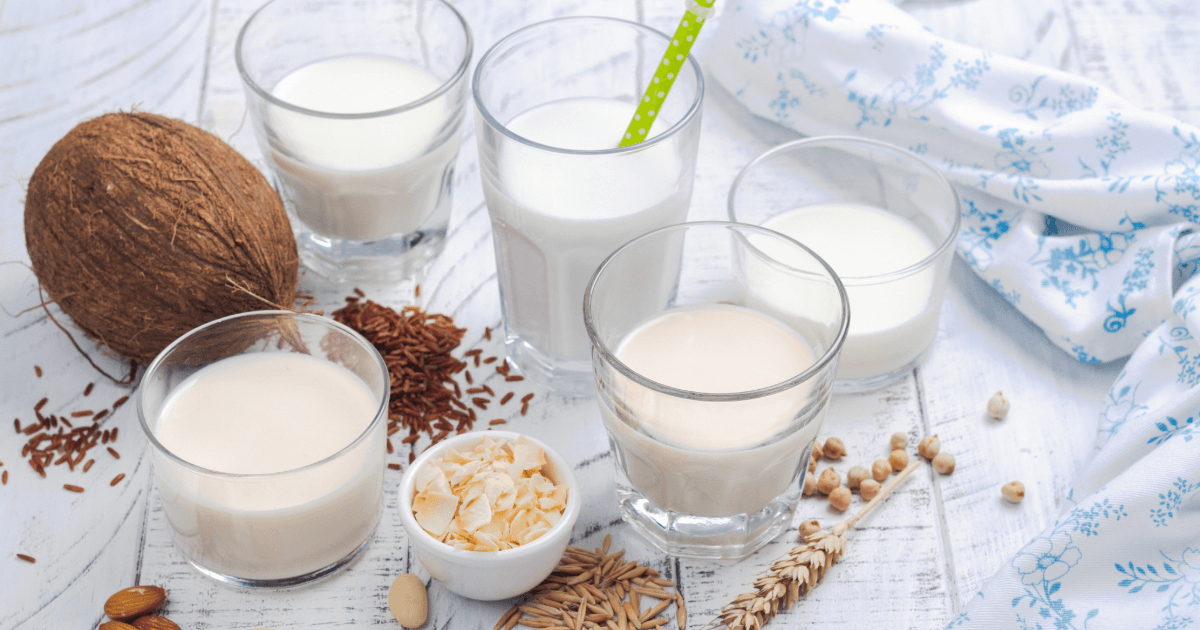
No single milk wins for lactose intolerance. Pick by four questions, in this order: your stomach, your nutrition needs, your kitchen uses, then the label.
Most shoppers run the order backwards. They start with a brand a friend recommended or a package that looked good on social media, then hope the stomach agrees after the money is spent. Once every carton is lactose-free by definition or by chemistry, the tiebreakers decide. The tiebreakers live on the back of the pack.
Meet the contenders
Lactose-free milk starts as regular cow’s milk. Producers add lactase, the same enzyme your small intestine uses, to break down the milk sugar before bottling. The protein, calcium, and fat stay unchanged. The taste reads slightly sweeter because split lactose tastes sweeter than joined lactose, with no sugar added.
Soy milk starts with beans soaked, blended with water, and strained. It has the most protein of the plant options. Fortified versions close much of the calcium gap with dairy. Flavor splits opinion: some call it neutral, some call it beany, but both groups buy it again.
Oat milk blends oats and water into something lightly sweet. Baristas adopted it early because it steams into stable foam. It also suits a bowl of granola because it echoes the grain already in it.
Almond milk runs lightest, low in calories and faintly nutty. The lightness cuts both ways: pleasant in a smoothie, thin in coffee.
Cashew milk deserves more shelf space than it gets. The nut blends into real body without thickeners, closer to dairy in texture than almond. Coconut rounds out the field with fat and little protein, plus a flavor that suits smoothies better than sauces.
Match the milk to your symptoms
Symptoms outrank everything else. A milk you cannot digest fails every other test. If lactose is the whole problem, lactase-treated dairy solves it directly and keeps the rest of milk’s nutrition unchanged.
Dose matters too. Many people with intolerance handle a splash in coffee but not a full glass. Aged hard cheeses slip under most limits. If bloating survived the move to lactose-free products, or if dairy bothered you before the sugar question, the plant side removes the problem instead of managing it.
If you are unsure whether lactose is the cause, settle that before spending money. Our guide to lactose intolerance covers the symptoms, the hydrogen breath test, and a two-week elimination plan you can run at home.
One boundary stands above shopping advice: sensitivity lives in the digestive tract, allergy recruits the immune system. Anything severe or sudden belongs with a doctor, not a grocery decision.
Match the milk to your nutrition needs
Dairy carries more natural protein and calcium. Unsweetened plant milks run lower in calories and sugar (Healthline, GoodRx, PMC review). Plant milk was never going to match dairy, and fortification narrows the gap unevenly by brand.
Decide what the glass owes your day before you pick a carton. If breakfast leans on milk for protein, soy earns the plant slot. Lactase-treated dairy keeps dairy’s numbers. If your goals point toward fewer calories and less sugar, unsweetened almond and cashew both travel light.
A milk asked to do everything disappoints at something. Rank the needs first and let the losers lose.
Match the milk to your taste
Taste decides the repurchase, whichever carton won on paper. Lactose-free milk tastes like the milk you grew up on, one shade sweeter. Oat steams into the glossiest foam.
Almond disappears into smoothies. Coconut flavors whatever it touches.
Cashew works differently. It is creamier than almond and closer to dairy in texture. One bottle holds up across coffee, cereal, smoothies, and the pan.
Body from the nut itself tastes different from body assembled out of thickeners. The difference shows up in hot drinks and sauces.
What the label tells you
Front labels advertise. Back labels confess. Many store-bought plant milks carry gums like xanthan and gellan to manufacture thickness.
Refined seed oils show up for mouthfeel, and phosphates often arrive with mineral fortification. A line reading “natural flavors” can cover a dozen unnamed components.
Most drinkers tolerate all of that. People with sensitive stomachs often react to gums, judging by the volume of reports in r/FODMAPs discussions.
A simple test fits in a glance. Count the ingredients. Drop anything a home cook could not buy in a store. Prefer lists written in plain English.
Price and availability
Price swings more between stores than between categories, so compare the shelf you visit rather than a memory of last year’s receipt. Availability rotates harder on imported lines, where formulas change and favorites vanish between shopping trips. Learn the ingredient profile you want instead of committing to one brand forever.
Who should pick which
Choose lactose-free dairy if milk’s flavor means home and the enzyme shortfall is the only complaint. You keep the protein and the calcium, and every habit from tea to baking transfers unchanged.
Soy fits when the glass owes you protein, whether training fills your schedule or breakfast carries your morning. Fortified cartons narrow the mineral gap as a bonus.
Oat earns the slot when coffee foam ranks first, or when you want the lowest-friction switch for a household that still drinks dairy.
Unsweetened almond suits the lightest possible pour, assuming your coffee runs strong enough to forgive thin milk.
Cashew with a short label wins when you want one bottle for the whole kitchen, when your gut reacts to additives, or when you cook more often than you steam.
Verdict
The best milk for lactose intolerance is whichever carton clears your four filters in order. No single winner exists ahead of that process. Symptoms remove half the shelf, nutrition targets split soy from the lightweights, taste eliminates two or three more, and the ingredient list crowns whoever remains.
Some readers want one bottle that handles the coffee, the cereal, and the pan. If your symptoms point away from dairy and your goals favor modest calories and sugar, fresh cashew with a readable label is the pick.
Run the experiment yourself
For the full picture on symptoms and testing, start at our guide to lactose intolerance.
Whatever you bring home, grade the result the way the guide suggests: two weeks, one swap, honest notes on what your stomach reports. Worry Nut fresh cashew mylk is one option: six ingredients, pressed in Ubud from Indonesian cashews, pasteurized and refrigerated, Rp 85,000 per liter, lab tested by Prodia. Browse and order at https://worrynut.id, or find us on Instagram @worry.nut.