Lactose Intolerance Explained: Symptoms, Science, and What to Drink Instead

About two thirds of adults worldwide cannot digest lactose properly. In East Asian populations the share runs between 70 and 100 percent (MedlinePlus, meta-analysis covering 62,910 participants). Indonesia sits at the high end. Most Indonesian adults produce too little lactase for a full glass of milk.
The sections below cover what it is, how to confirm it, and what to pour instead.
What lactose intolerance is
Lactose is the natural sugar in milk. Your small intestine needs an enzyme called lactase to split it into two smaller sugars, glucose and galactose, so your body can absorb them.
With enough lactase, milk is just food. With too little, the sugar travels on undigested.
Undigested lactose reaches the colon. Bacteria there ferment it and release gas. The unabsorbed sugar also pulls water into the bowel. The combination produces bloating, cramps, gas, and loose stools within a couple of hours of eating dairy.
Lactase decline after weaning is the genetic default for most humans. Keeping the enzyme running through adulthood is the unusual adaptation. It spread through populations that herded dairy animals, northern Europe above all.
Intolerance is the original factory setting. The daily glass of milk is the recent addition.
What this means in Indonesia
Rates between 70 and 100 percent in East Asian populations put most Indonesian adults on the low-lactase side of the map.
Cafe culture shows the mismatch. Ubud fills with travelers and locals ordering flat whites and cheese-heavy brunch plates. Demand for dairy climbs while the enzymes for digesting it stay unchanged.
How the symptoms unfold
Timing is the strongest clue. Symptoms usually begin within thirty minutes of eating the trigger and ease within two hours. Intensity scales with dose.
Bloating leads. Gas and cramping follow, sometimes nausea, occasionally diarrhea bad enough to rearrange a morning.
Dose matters more than most people expect. Plenty of people handle a splash of milk in coffee yet suffer through a full glass or a bowl of ice cream. Aging removes most of the lactose from hard cheeses. Live cultures in yogurt pre-digest part of the sugar before you eat it.
One boundary matters here. Food sensitivity is not allergy.
Intolerance means an enzyme shortfall and an unhappy digestive tract. Allergy means the immune system attacks milk proteins, and it can turn dangerous within minutes.
Rashes, swelling, breathing trouble, or any violent reaction sends you straight to a doctor. No home experiments first.
How to find out for sure
A hydrogen breath test gives the clinical answer. You drink a measured lactose load and breathe into a sampler at intervals. Elevated hydrogen readings show your gut bacteria fermenting lactose your enzymes left untouched. Clinics run the test routinely.
A quieter option costs nothing. Cut lactose from your diet for two weeks. Keep everything else steady. Then reintroduce a known amount and watch what happens.
If symptoms fade and return, you have your answer. Bring anything severe, sudden, or strange to a doctor before running the experiment.
For symptom details and testing options, see our symptoms guide.
Living with it day to day
Removal sounds drastic until you look at what stays on the table.
Hard aged cheeses, butter, and ghee carry little lactose. Plenty of intolerant eaters keep them without consequence. Yogurt works in small portions because its live cultures pre-digest part of the sugar.
Lactose-free dairy also exists: real milk with the lactase enzyme added before packaging. The enzyme splits the sugar ahead of time, so it tastes slightly sweeter than regular milk.
Check labels anyway. Milk powder and whey hide inside bread, sausages, soups, chocolate, coffee creamers, and many snacks. Those small doses add up across a day.
Dairy delivers protein and calcium conveniently. If you remove it, replace those nutrients on purpose. Plant milks vary a lot on both fronts.
What to drink instead
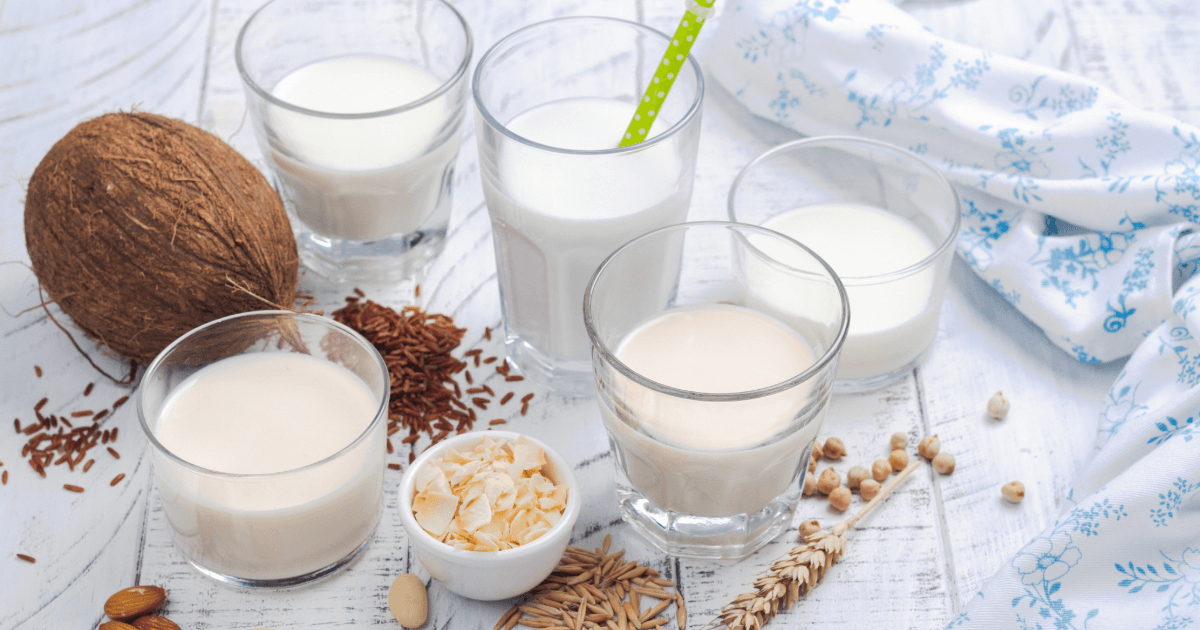
There is no single best milk for lactose intolerance. Pick by four questions, in this order: your stomach, your nutrition needs, your kitchen uses, then the label. The full breakdown lives in our best milk comparison.
Soy brings the most protein of the plant bunch. Oat pours pleasantly but leans starchy in many formulations. Almond stays light but thin.
Coconut splits the difference with fat and little protein. Cashew blends into genuine creaminess without thickeners.
Plant milks are not dairy clones. Dairy naturally carries more protein and calcium, while unsweetened plant milks run lower on calories and sugar (Healthline, GoodRx, PMC review). Read the nutrition panel first. Decide what you want the drink to do for you.
The back label hides a second decision. Many store-bought plant milks carry gums such as xanthan and gellan for thickness, refined seed oils for mouthfeel, phosphates from mineral fortification, and a vague line reading natural flavors. Some sensitive stomachs react to gums.
Freshness matters too. UHT processing heats milk to 138-149 degrees Celsius so it survives months on shelves. That heat takes vitamins down with it: about 32 percent of vitamin C, 18 percent of B12, and 12 percent of folic acid (Journal of Dairy Science, 1989).
Pasteurization runs gentler, keeps the bottle in a fridge, and asks you to finish it within weeks. Gentler handling loses less.
Our full ingredient breakdown lives in the plant milk ingredients guide.
Worry Nut fresh cashew mylk: six ingredients, pressed in Ubud from Indonesian cashews, Rp 85,000 per liter, 21 days refrigerated, lab tested. If you buy another brand, run the same checks on it.
Common pitfalls
Pitfall one: blaming every stomach episode on lactose. Irritable guts have many explanations. Blaming dairy first can hide a problem that needs a doctor. Persistent symptoms, blood, or unexplained weight loss belongs in a clinic, ahead of any kitchen experiment.
Pitfall two: the overnight purge. People clear every trace of dairy from the house in one weekend, including foods that never caused trouble.
Aged cheese and butter rarely trigger anyone. Cutting them removes pleasure without removing symptoms. Test, observe, keep what passes.
Pitfall three: trading one problem for another. Switching to plant milk settles the lactose question and sometimes starts a new one, because gum-thickened cartons can upset the same guts that milk did. When relief fails to arrive after the switch, read the ingredient list before deciding plants disagree with you.
Pitfall four: skipping the sugar line. Flavored oat and almond drinks can carry more sugar per glass than the dairy they replaced. Coconut sugar has a lower glycemic index than white sugar and is still sugar. Totals matter more than origin stories.
Pitfall five: buying more fresh bottle than your fridge timeline supports. Fresh plant milk lasts weeks. A forgotten half liter serves nobody. Match the bottle size to how much you actually pour.
Frequently asked questions
Is lactose intolerance the same as a milk allergy?
No. Intolerance means an enzyme shortfall and a digestive system complaining about volume. Allergy means the immune system treats milk proteins as invaders, sometimes violently, and reactions can escalate fast. A suspected allergy always belongs under medical care.
Can lactose intolerance show up in adulthood?
It usually does. Lactase production fades through adult life in most of the world’s population, so plenty of people meet their first real symptoms in their twenties, thirties, or forties. Nothing is broken. Gut illnesses can also knock lactase levels down temporarily, one more reason a sudden change deserves a doctor’s ear.
Does cooking destroy lactose?
No. Heat does not break down lactose. Baking or boiling lowers the dose per serving through dilution, since a cake spreads one cup of milk across twelve slices, but the sugar itself survives the oven. Recipes built on aged cheese or butter behave differently because they contain little lactose to begin with.
How much lactose is too much?
Thresholds differ person to person, which frustrates anyone hunting for one number. Many diagnosed adults handle small amounts taken with food. Most run into trouble quickly with a full glass on an empty stomach. Your own two-week diary maps your limit better than any average printed online.
Do plant milks match dairy for nutrition?
No drink replicates dairy. Dairy naturally provides more protein and calcium, while unsweetened plant milks run lighter on calories and sugar. Fortified versions add the missing minerals, though fortification can come with phosphate additives. Decide which nutrients matter most to you, then read panels against that priority.
What makes a milk alternative kind to a sensitive stomach?
A short ingredient list built from recognizable foods comes first. Low sugar follows, since totals matter regardless of sweetener. For reactive guts, freedom from gums closes the checklist. Fresh gentle processing beats long-life sterilization for anyone who cares about what survives processing.
Where Worry Nut fits
Worry Nut presses fresh cashew mylk in Ubud from local nuts. Six ingredients on the label, nothing requiring a chemistry degree. Rp 85,000 per liter, 21 days refrigerated, lab tested at 80 kcal and 2 g of sugar per 200 ml.
Browse and order at https://worrynut.id, or find us on Instagram @worry.nut.