Plant milk ingredients, explained: what to look for and what to avoid
A clean plant milk label has six ingredients you can buy at a market. A messy one has fifteen you cannot pronounce. The whole decision fits in one minute once you know what to look for.
The three sections below cover what a clean label means, which ingredients earn their place, and which ones sensitive stomachs react to. The last section adds four checks that work on any bottle on any shelf.
What clean label actually means
Clean label is a marketing term. No regulator certifies it. No independent body audits it. Any brand can print the words.
The working definition that helps in the store is simple. A clean label is short. It uses plain words. Every ingredient is something you could buy at a market and cook with tonight.
Filtered water passes. Cashews pass. Dipotassium phosphate fails, because nobody keeps a jar of it beside the salt.
Why order matters on the label
Labels list ingredients in descending order by weight. The first three lines tell you what the bottle is mostly made of. Plant milk is mostly water, and that is fine. Whatever sits right behind the water tells you how much real food went in.
A bottle with sugar or oil in the top three slots is mostly that. A bottle with cashew or oat close behind the water is mostly what it claims to be.
The ingredients that earn their place
Good plant milk needs fewer ingredients than most brands ship. Each one should have a visible job.
Water carries everything. The base comes next: cashew, almond, oat, or soy. This single choice shapes the drink more than any other.
Cashews bring their own creaminess, so cashew milk needs no gums or thickeners to feel rich. Almonds produce a thinner drink, and oat processing adds its own sweetness. Soy carries the most protein of the plant bunch.
Salt sharpens flavor at levels that cost nothing nutritionally. Real vanilla extract does the same. Neither hides anything.
Sweetener is optional. Coconut sugar shows up in better local bottles. It has a lower glycemic index than white sugar and a caramel note.
It is still sugar. The number that matters is total sugars per serving, not the charm of the sweetener name.
The emulsifier is the one additive with a real job. Oil and water separate on their own, and an emulsifier keeps the drink smooth instead of split into layers.
Sunflower lecithin, cold pressed from sunflower seeds, does the work. Soy lecithin fills the same role and raises allergen questions for some drinkers.
The ingredients that raise flags
These additives are legal, approved, and common. Some still bother sensitive stomachs. All of them exist to help a cheap base perform like a rich one.
Gums and stabilizers
Xanthan gum, gellan gum, locust bean gum, and carrageenan thicken, suspend, and prevent separation. They appear when the bottle is mostly water and a handful of nuts. Gum is the cheapest way to fake the body that real creaminess provides.
People with sensitive stomachs report trouble with gums often enough that elimination threads on forums like r/FODMAPs repeat the same story. Someone cuts gums, and the bloating drops. Formal research trails these anecdotes. Most people tolerate these additives with no problem.
A simple rule of thumb: when a powder stands in for texture that a real food should supply, ask what got left out of the bottle.
Carrageenan deserves its own note. Researchers have argued about its effect on the gut lining for decades. The arguments remain unsettled, and regulators continue to permit it. Run a two-week trial and let your own result decide.
Refined seed oils
Sunflower oil and canola oil enter plant milk for two reasons: richness and foam. Barista editions lean on added oil because oil stretches under steam and holds a foam that thin bases cannot. The trade buys calories without bringing much else. When an oil sits above the nuts on the list, the drink depends on it.
Phosphates and preservatives
Dipotassium phosphate manages acidity so milk does not curdle in coffee. Tricalcium phosphate supplies calcium and prevents clumping. Preservatives stretch life at room temperature.
All three protect a product through long shipping routes, warehouse months, and hot trucks. None of them add nutrition. A refrigerated bottle with a short date rarely needs them.
Natural flavors
Natural flavors is a legal umbrella. Underneath it sits whatever the manufacturer blended: extracts, essences, and compounds from plant or animal sources. Regulation lets the phrase stay vague.
A brand using real vanilla writes vanilla on the label. A brand using a flavor system writes natural flavors and keeps its recipe private. Email the brand when the answer matters to you.
Sugar under different names
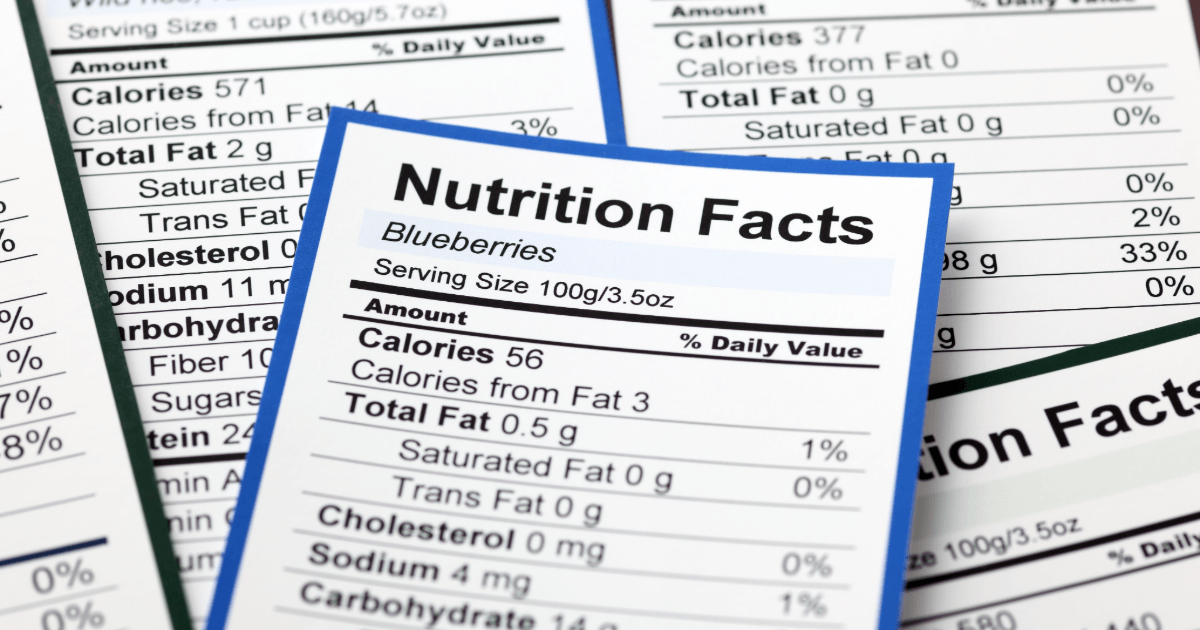
Cane sugar, evaporated cane juice, brown rice syrup, agave nectar, and date syrup are all sugars. The nutrition panel prints total sugars per serving, and that number counts every name at once.
Check the serving size before the sugar line. Panels often count 100 ml while glasses pour 200 ml or more. A generous pour doubles the figure without changing anything printed on the front.
Why this matters more in Indonesia
Most plant milk sold in Indonesia is imported. Almond milk crosses an ocean. Oat milk crosses several borders. Every extra week of travel pushes formulas toward heavy tools: UHT processing, aseptic packaging, gums, phosphates, and preservatives built to survive the trip.
UHT processing heats milk to between 138 and 149 degrees Celsius to sterilize it. Research in the Journal of Dairy Science measured losses of about 32 percent for vitamin C, 18 percent for vitamin B12, and 12 percent of folic acid at processing. Months of room-temperature storage add more.
Pasteurization runs gentler and keeps more of what heat would destroy. The bottle lives in your fridge and lasts weeks, not months.
Indonesia harvests around 164,000 tonnes of cashews per year, around sixth in the world (World Population Review, 2023). The crop concentrates in Sulawesi and Nusa Tenggara, and domestic demand climbs with the middle class. Yet the milk aisle still sells mostly imported cartons.
A cashew mylk made from local nuts shrinks the chain to a truck ride. A short chain is what makes gentle processing realistic.
Four checks that take under a minute
Count first. Shorter lists leave fewer places for problems to hide. Six is a strong number. Fifteen invites questions.
Run the name test. Ask whether you could buy each ingredient by itself and use it in your own kitchen.
Filtered water, cashews, sea salt, and vanilla extract all pass. Polysorbate 60 fails. The test needs a kitchen, not a chemistry degree.
Check the order. Sugar or oil in the top three slots means a serious load of it. The base belongs near the front, close behind water.
Name the emulsifier. Lecithin, named and sourced, handles the one job that genuinely needs doing. A stack of gums usually means a base too thin to hold itself together.
Common pitfalls
Front claims mislead by design. Dairy free, plant-based, natural, and premium mean nothing until the ingredient list confirms them. Check the back of the bottle every time.
Barista editions complicate the picture. Foam demands oil or gums, so the cleaner formula usually loses the steaming contest.
Serving size trips careful shoppers. Panels quote per 100 ml while glasses pour 200 ml or more. Sugar totals climb without any change to the front of the pack. Read the serving line before the sugar line.
Price signals almost nothing about cleanliness. An imported premium carton can carry a long stabilizer list. An affordable local bottle can hold six honest ingredients. The list decides.
Homemade looks like the cleanest route and carries real limits. Home blending offers control and zero additives. It also brings hygiene risks, short unpredictable life, and batch-to-batch drift. A middle path exists: small batches made with industrial hygiene and homemade care.
Questions people ask
Are gums in plant milk safe?
For most people, yes. Regulators class the common gums as safe at the doses used in drinks. Most people consume them daily with no issue.
The open question lives in sensitive guts. Low-FODMAP communities report bloating and discomfort linked to gums, and controlled research lags those stories. Test yourself: two weeks without gums teaches you more than any review paper.
Sudden or severe reactions belong with a doctor. Food sensitivity and food allergy are different conditions, and allergy needs professional care.
Should carrageenan be the first ingredient you cut?
It is a sensible early candidate. The gut-irritation debate has run for decades, the evidence stays contested, and the additive contributes nothing nutritionally.
People troubleshooting sensitive stomachs often drop it first and watch for changes. The experiment costs one brand switch, which makes it a low-risk test.
Does oat milk contain gluten?
Oats carry no gluten protein of their own. The risk arrives through shared fields, shared mills, and shared production lines where wheat and barley residue mixes in. Certified gluten-free oat milk closes that gap.
Treat the certification mark as the deciding factor. Anyone managing celiac disease should hold that line without exceptions.
Does shelf life tell you anything about the recipe?
It tells you plenty. Months of pantry storage require sterilizing heat and packaging that seals out the world. Journal of Dairy Science research measured UHT processing losses at about 32 percent of vitamin C, 18 percent of vitamin B12, and 12 percent of folic acid. Months of storage add more.
A refrigerated, pasteurized bottle runs the opposite design. It accepts weeks instead of months and keeps more of what heat would destroy.
Is coconut sugar better than white sugar?
Coconut sugar scores lower on the glycemic index. Its fuller flavor lets a recipe use less of it. It remains sugar either way.
Compare total sugars per serving on the nutrition panel. A drink totaling 2 g per glass sits far below one stacking several times that, whatever the sweetener is called.
Is one plant milk base cleanest?
Judged on label length alone, cashew milk holds a structural advantage. Cashews bring creaminess that removes the need for thickeners. Almond milk fights a thin base with gums. Oat milk arrives sweet from processing.
Soy milk can be very clean when it contains whole soybeans, water, and little else. The base sets the difficulty level. Each brand decides how far it goes.
Where Worry Nut fits
Our bottle is one option. Worry Nut fresh cashew mylk lists six ingredients: filtered water, premium cashew, natural coconut sugar, Kusamba sea salt, cold pressed sunflower lecithin, and real vanilla extract.
Pasteurized rather than UHT, refrigerated, 21-day shelf life, no preservatives. Lab-tested numbers: 80 kcal and 2 g of sugar per 200 ml. Rp 85,000 per liter.
Browse and order at https://worrynut.id. Follow @worry.nut on Instagram for batch news.
For the rest of the toolkit: read what is actually in your plant milk for the ingredient-by-ingredient breakdown, read any plant milk label in 30 seconds for the 30-second version, and the plant milk nutrition guide for the numbers behind the label.