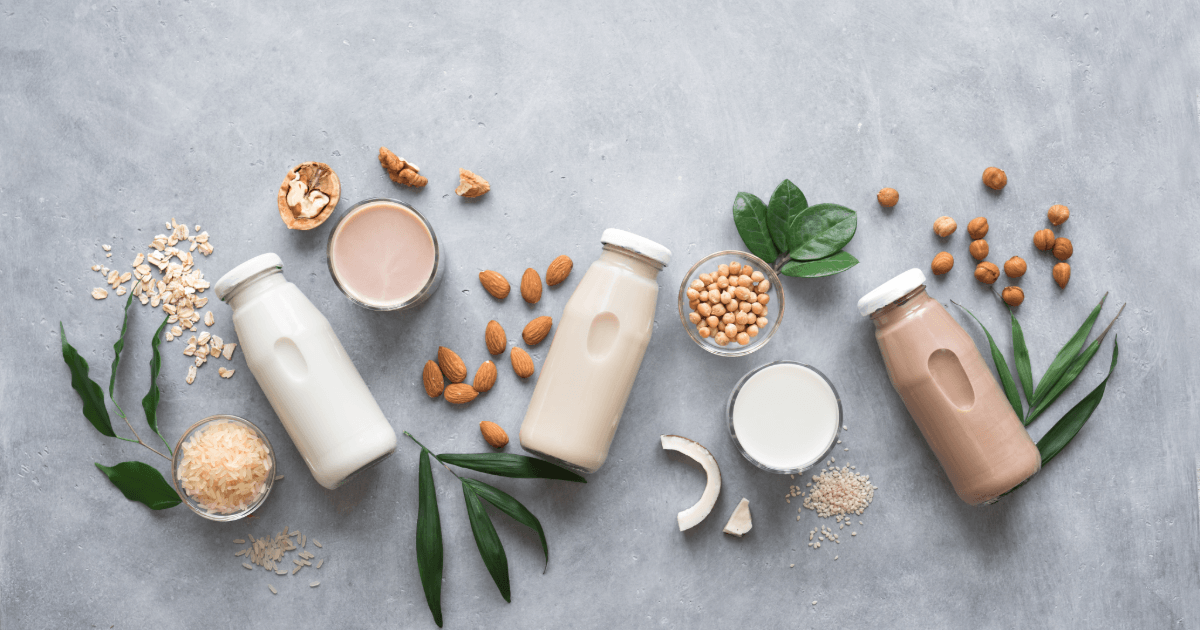
How to read a plant milk label in 30 seconds
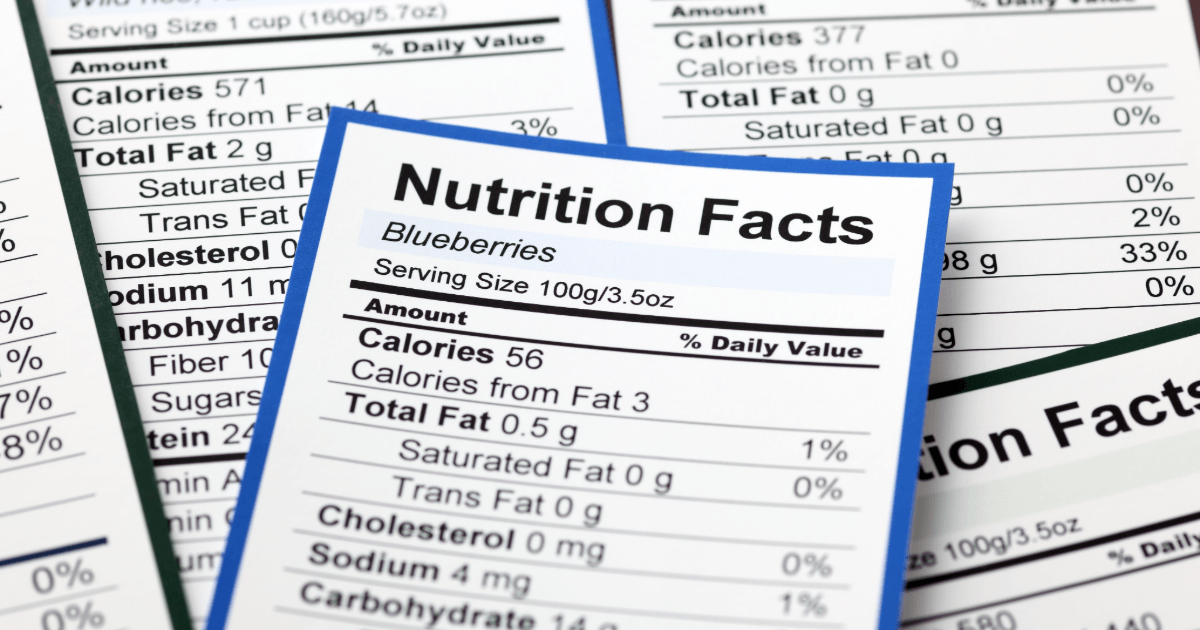
You can judge a plant milk in thirty seconds. Skip the front of the carton and read the back instead. Four checks cover it: the ingredient count, the gums and oils, the sugar line, and the fortification.
The front of the carton is marketing. The back is regulated. Learning how to read food labels on plant milk takes one habit: flip the bottle and start with the ingredient list.
The method, top to bottom
Run the four checks in this order: count the ingredients, spot the gums and oils, check the sugar, and check the fortification.
The count shows how much real food went into the bottle. The additive scan catches the ingredients that upset sensitive stomachs most often. The sugar number is the one figure a brand cannot dress up. Fortification shows whether the drink brings its own substance.
Each check takes seconds. The whole routine takes less time than choosing a parking spot.
Why the back of the bottle wins
Ingredients print in descending order by weight almost everywhere. The first three lines tell you what the bottle mostly is.
Water leads in almost every plant milk. Admitting that costs a brand nothing. The line after water matters most. It names the nut, grain, or bean you paid for.
Below the opening slots, weights shrink toward traces. That is why additives cluster at the bottom of the list.
Check 1: count the ingredients
Flip the bottle and count the lines. Under eight is a good sign. Past ten, expect a crowd of stabilizers. Shorter lists mean more actual food and fewer additives.
Our own bottle has six ingredients. There is nothing magic about six. It is what happens when the base ingredient does most of the work.
Check 2: spot the gums and oils
Scan the list for two families: gums and oils.
Xanthan gum and gellan gum exist to thicken water. Brands add them when the nut count runs low. Plenty of store-bought plant milks lean on them alongside refined seed oils. In elimination threads on r/FODMAPs, people who cut gums often report calmer stomachs.
Formal research trails those stories. Most drinkers tolerate gums without problems. Your own two-week trial without gums tells you more than any average, including ours.
Sunflower oil and canola oil enter a formula for richness and foam. Oil holds foam far better than thin nut water, which barista editions need. The upgrade costs calories and extra label length. If an oil prints above the nuts, the richness came from added oil, not the crop.
One additive here earns its place: sunflower lecithin. It is a natural, plant-derived emulsifier, commonly cold pressed. Its job is keeping a creamy drink from splitting into layers. An additive with one clear job and a clear name passes the scan.
Cashew milk skips this argument. Cashews bring their own creaminess. A cashew recipe needs no gums or thickeners. When you find a short cashew milk list, thank the nut.
Check 3: check the sugar
Give sweeteners five seconds, then let the nutrition panel decide. Sweetener names rotate: evaporated cane juice, agave nectar, brown rice syrup. All of them are sugar. Find the total sugars line instead.
Match the serving size to your glass. Panels quote per 100 ml, and nobody pours 100 ml.
A sweetener named in plain words, like coconut sugar, signals a brand that expects scrutiny. The number still decides. Drinks built on a real nut base rarely need heavy sweetening. That is why short lists and low sugar totals often appear together.
Check 4: check the fortification
Fortification means nutrients were added at a factory bench. Calcium carbonate, vitamin B12, or vitamin D2 on the list means the drink became more nutritious than its raw materials made it. Fortification fills genuine gaps. Nobody should apologize for needing it.
It also tells you the base began thin. Some bases carry protein and calcium in from the field. Others rely on the supplement jar. If supplements outnumber foods on the list, the drink started as water and was rebuilt toward milk.
The method on a real bottle
Run the checks on our label, because it is the one we can defend line by line. Worry Nut fresh cashew mylk lists six ingredients: filtered water, premium cashew, natural coconut sugar, Kusamba sea salt, sunflower lecithin, and real vanilla extract.
Count: six lines, each one a food you could buy on its own. Gums and oils: none. The cashews supply the body, and sunflower lecithin is the only emulsifier. Sugar: coconut sugar, named in plain words and kept low.
Fortification: none, because nothing needs patching. The bottle is pasteurized, not UHT treated, and it lives in the refrigerator. Fewer additives also means a shorter shelf life.
Four checks take about ten seconds. Run the same checks on any other bottle you pick up.
Where shoppers get caught
Front claims mislead by design. Natural, plant-based, and premium cost a brand nothing to print. The ingredient list either confirms them or exposes them. Buy on the back alone.
Barista editions deserve extra scrutiny. Foam demands oil or gums. The cleanest formulas tend to lose the steaming contest. Decide which prize matters for the glass in your hand.
An imported carton at a luxury price can carry a long list of stabilizers. An affordable local bottle can hold six honest ingredients. Judge the list, not the price tag.
For a full breakdown of every additive category including carrageenan and the natural flavors umbrella, see Plant milk ingredients, explained.
Try it on a bottle tonight
The whole method fits in five moves: flip, count, sweep for gums and oils, read the sugar line, glance at the fortification. Run it on the bottle already sitting in your fridge tonight. Run it again on your next purchase. Two rounds build the habit.
See the checks applied to real labels in our guide to what is actually in your plant milk. Read why xanthan gum tops the list of additives worth questioning.
You can order Worry Nut fresh cashew mylk at https://worrynut.id, or follow @worry.nut on Instagram for batch news.