Cashew Milk vs Oat Milk: Texture, Sugar, and Clean Labels
Cashew milk wins on texture, sugar, and clean labels. Oat milk wins on foam, price, and availability. Pick by the job you hand the milk. Your coffee, your bowl, and your label reading habit want different things.
We blend cashew milk in Ubud, so weigh that conflict of interest before reading the verdict. We still name every advantage oat holds below, including one where it beats our own bottle today.
What each option is
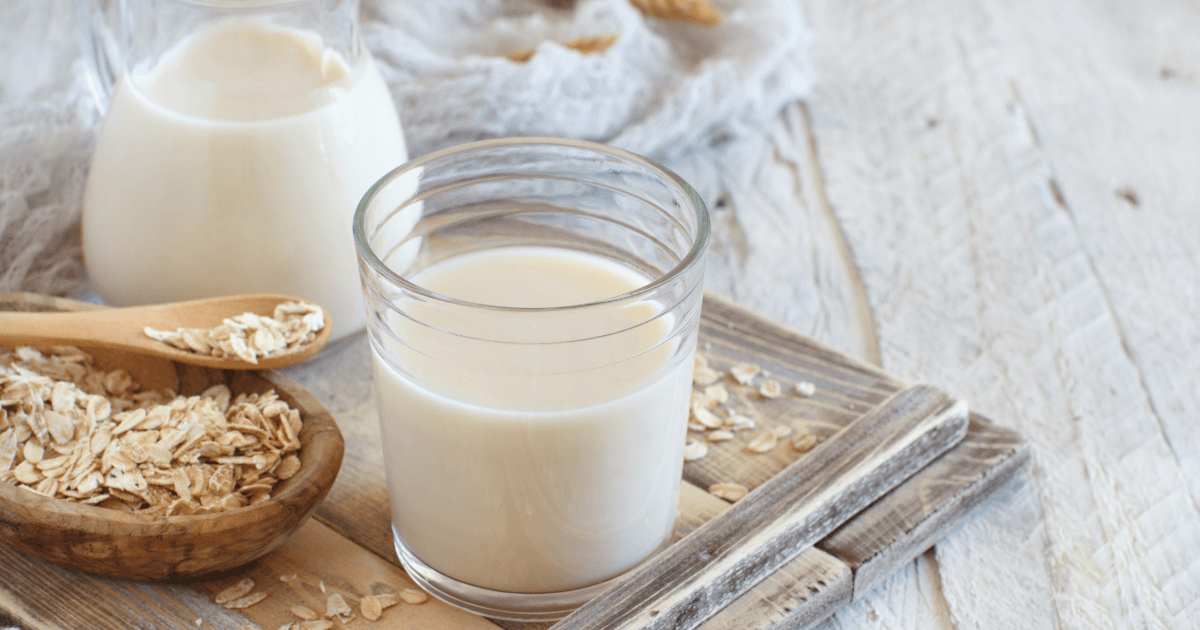
Oat milk starts as whole oats milled into water, then enzymes take over. The enzymes cut oat starch into smaller sugars, mostly maltose. That is why an unsweetened carton tastes faintly sweet before anyone adds a gram of sugar. Body comes from that dissolved starch, and many commercial versions reinforce it with added oil, especially barista editions built to stretch into microfoam.
Most plant milk sold in Indonesia arrives imported. Nearly every liter crosses an ocean before it reaches a local shelf. The cartons ship without refrigeration, which keeps them cheap.
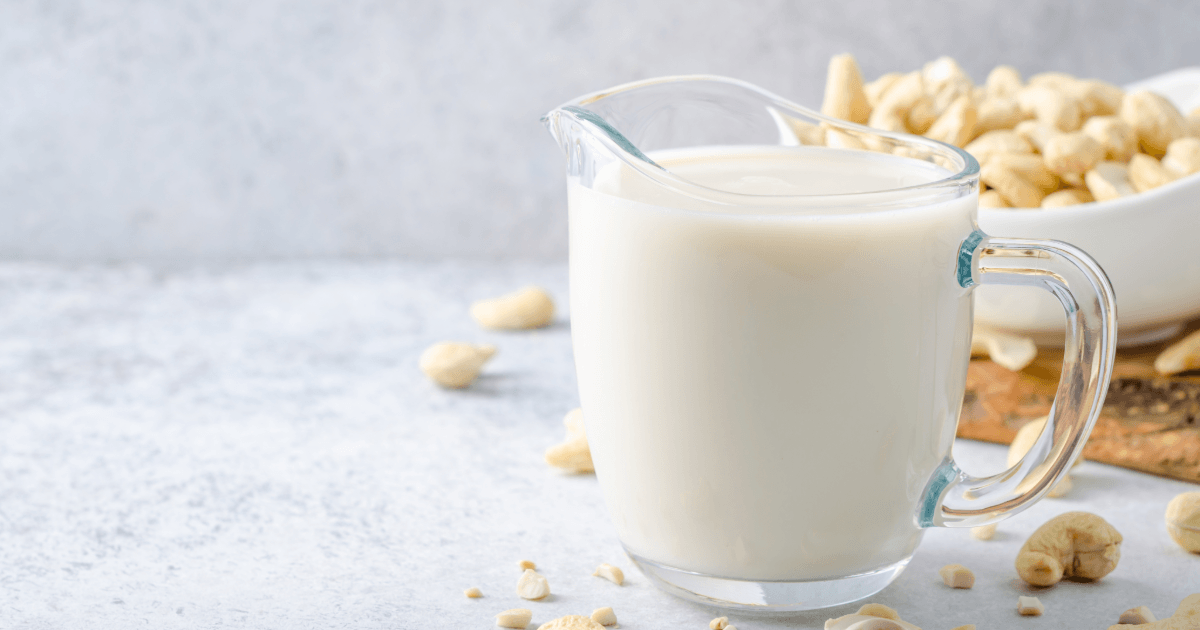
Cashew milk runs a shorter recipe. Nuts meet water in a blender, and the fat inside the nut thickens the drink on its own. A proper cashew blend reaches a creamy body with no gums or starches involved. Fresh producers pasteurize gently, chill the bottles, and expect them drunk within weeks.
Texture: where each milk wins
Oat milk steams. Barista editions hold microfoam, pour latte art, and shrug off espresso acidity better than most alternatives. That is why cafes moved so fast. If flat whites dominate your week, oat milk has earned its slot.
Cold, in the glass, the story shifts. Oat body is starch body, light and slick, closer to loosened porridge than to milk. Cashew carries fat instead, and fat reads as richness on the palate. Cashew milk is creamier than almond milk and lands closer in texture to dairy.
Because of that fat, coffee, cereal, smoothies, and cooking accept cashew milk easily. Pour both over granola and you see the gap land: one coats, the other pools.
Heat separates them further. Cashew milk turns a pasta sauce glossy and holds together in the pan where cream once stood. Starch-built oat formulas thin under sustained heat and turn unreliable when acid shows up.
For smoothie bowls, cashew milk gives a frozen blend body that survives the freezer. The bowl stays thick instead of turning to slush. Oat milk blends fine and brings its malty note, though starch plus frozen fruit can drift toward glue on a hot morning. Thickness preference is personal, and neither choice is wrong here.
One confession keeps this fair. Our bottle froths nicely into robusta but drops slightly sour against arabica, because coffee pH plays games with flavor. So we leave latte art promises to the oat cartons until our barista recipe ships.
Sugar: the line that decides for many people
Even unsweetened oat milk carries a heavy carbohydrate load. The enzyme step that builds oat milk’s body converts starch into maltose. Original and barista lines frequently pile cane sugar on top of that baseline. Oat milk is a grain drink with a grain’s carb profile.
Oat fiber does deserve some fame. Beta glucan is the soluble fiber behind decades of oat and cholesterol research, and part of it survives into the glass. Read the panel anyway, check the carbohydrate row, and decide whether you wanted a drink or a snack.
Cashew starts lower because nuts skip the starch conversion entirely. The carbohydrate floor sits near zero before any sweetener arrives. Our numbers, tested through Prodia’s OHI lab, land at 80 kcal, 6 g total fat, 150 mg sodium, 5 g carbohydrate, 2 g sugar, and 2 g protein per 200 ml serving. Coconut sugar sits lower on the glycemic index than white sugar, which is why we chose it, and it remains sugar, so we publish the two gram figure rather than a promise.
Zero exists in this aisle too, in unsweetened versions of both milks. If your mornings demand zero sugar, compare panels before you commit.
One habit helps more than brand loyalty. Compare carbohydrate rows per 100 ml across brands, because serving sizes drift between labels. The drift always favors whichever company picked the smaller scoop.
Clean label: count the helpers
Store-bought plant milk leans hard on hired help. Common ingredients include gums such as xanthan and gellan, phosphates, refined seed oils, stabilizers, and the catch-all phrase “natural flavors”. People with sensitive stomachs flag the gums as repeat troublemakers across digestion forums, long before formal research catches up.
Oat formulas reach for this toolkit more than most. Starch body alone struggles under heat and acid, and foam wants oil. Flip a few cartons on your next shop and count the ingredients you cannot picture in a kitchen.
Cashew milk earns no automatic pass, since plenty of cashew products ship the same stabilizer kit. The difference sits in necessity. The nut performs its own thickening, so a six ingredient panel written in plain English becomes a claim any shopper can verify at the shelf. Hold every carton to that standard, whichever nut or grain pours from it.
Price and availability
Oat milk is easier to find and cheaper. Imported cartons sit in every minimarket and supermarket, priced for volume and stable on a shelf for a year. Availability belongs to oat, and no comparison changes that.
Cashew milk lives on a smaller map: fresh producers, health stores, cafe fridges, delivery routes. Expect roughly three weeks of refrigerated life and a premium per liter.
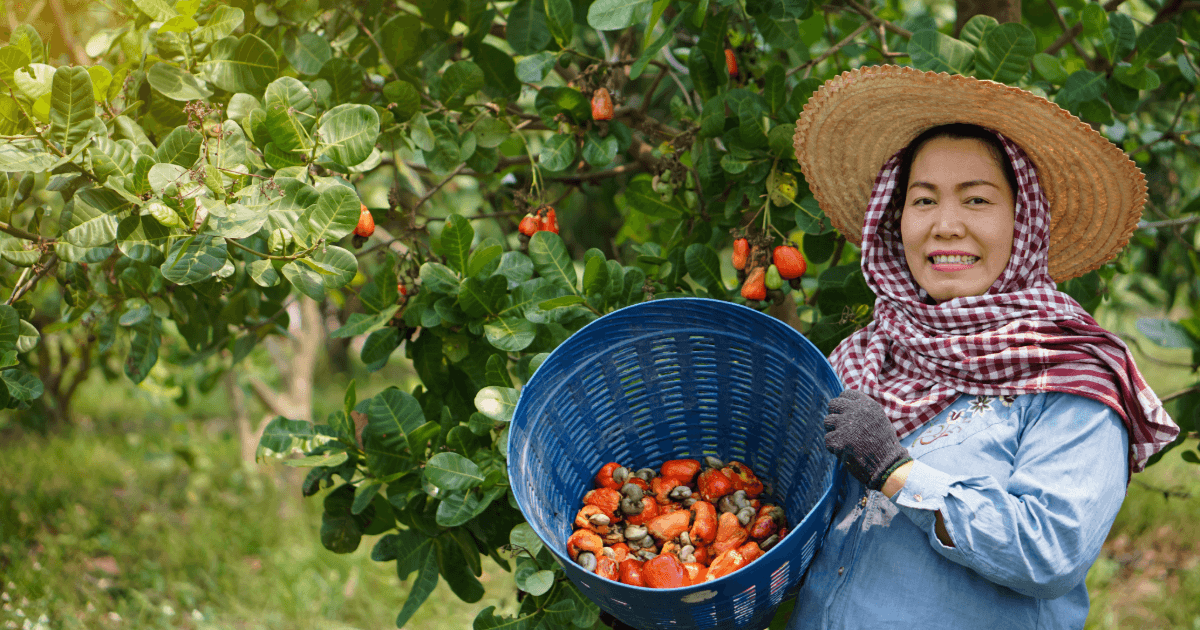
The premium buys things the cheap carton cannot carry. Local cashews mean the money passes through Indonesian hands first, from groves concentrated in Sulawesi and Nusa Tenggara. A short cold chain delivers freshness. Shelf-stable cartons need heavy processing and stabilizer-grade survival chemistry instead, the habits a clean label tries to avoid.
There is a longer argument hiding under this one, about why a country that grows cashews at scale drinks imported milk substitutes. We make it in full in our guide to Indonesian local plant milk.
Who should pick which
Pick oat milk when foam and logistics lead. Latte art at home, matcha lattes, one big monthly shop, and training blocks where extra carbohydrate works as fuel all fit it. Oat covers this list at the lowest cost per liter, and its malty note flatters tea and cacao in ways cashew cannot copy. An unsweetened version shrinks the sugar objection, though the carbohydrate line stays put.
Pick cashew milk when the glass matters more than the foam. Think cereal that gets coated, sauces with actual body, shakes that taste like food, and a label you finish reading before the checkout. Texture seekers, home cooks, label readers, and sensitive stomachs end up in this column. Add anyone who wants their daily liter supporting farmers two provinces away rather than a freight lane away.
Where Worry Nut fits
Oat takes foam, price, and availability, three genuine wins we concede without a grudge. Cashew takes texture in the glass, the sugar profile, and the clean label contest. Neither milk matches dairy for naturally occurring protein or calcium, so park that expectation regardless of the carton you lift.
For the uses that fill most fridges, the morning bowl and the evening pan, cashew milk does more of what people hope plant milk will do. Oat milk does one thing, foam, exceptionally well. Choose based on tonight’s dinner.
For a fuller comparison across all the bases, see our guide to choosing plant milk. The beginner’s answer to what is cashew milk covers the basics.
If you want to test the texture and sugar claims yourself, our fresh cashew mylk is blended in Ubud from Indonesian cashews and coconut sugar, pasteurized and chilled, and delivered around Bali in one liter bottles. Browse and order at worrynut.id, or find us as @worry.nut on Instagram.