Why Buying Local Plant Milk Matters More Than You Think
Buying local plant milk puts more money in Indonesian hands, puts fresher milk in your fridge, and shrinks the supply chain short enough to check with your own eyes.
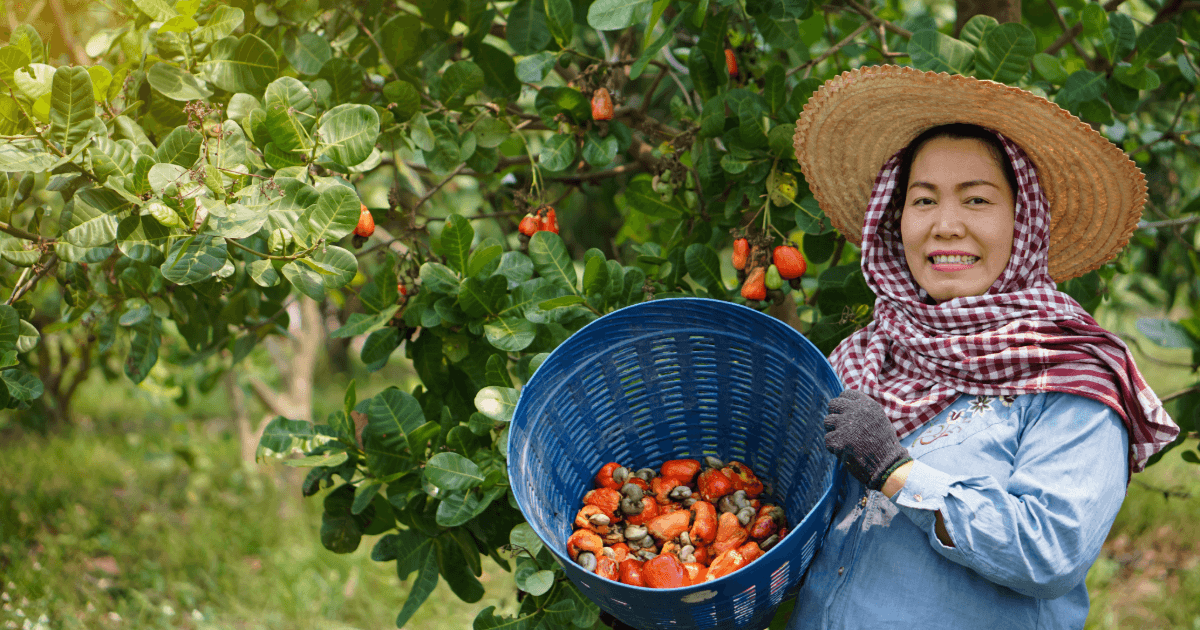
Indonesia harvested around 164,000 tonnes of cashews in 2023. That places it roughly sixth among the world’s producers (World Population Review). Most of those trees stand in Sulawesi and across Nusa Tenggara.
Walk into a supermarket anyway and nearly the whole milk aisle arrived by ship. Almonds come from California. Oats come from northern Europe.
Soy arrives in packaging printed for an entire region. Most plant milk sold in Indonesia is imported.
What counts as local
Local means short chain, not just a flag on the label.
The version worth buying has three parts: crops grown on Indonesian soil, processed and bottled in Indonesia, and sold cold within weeks of production.
Every link you remove shrinks the distance between harvest and glass. Distance drives almost everything else in this piece.
The crop already grows here at world scale. A kitchen in Bali receives those nuts by road and ferry, not by container ship.
A country with a harvest this size has no structural reason to import its milk. The import habit survives on decades of thin processing investment. Weekly shopping choices challenge that habit faster than policy does.
Where the money lands
Start with the import route. A raw cashew leaves the farm gate at commodity prices. It crosses water for shelling, grinding, and packaging, then re-enters Indonesia as a finished carton carrying foreign margins.
The farmer meets the trade once, at its cheapest point.
Every imported liter repeats that sequence, and volume keeps climbing with middle-class demand. Growth without local processing widens the leak.
A local purchase changes the route. Shelling, grading, blending, pasteurizing, bottling, and delivering all become work done in country, paid and spent in rupiah.
Small kitchens cannot match a multinational’s marketing budget, so they live on repeat customers. Your weekly bottle reads as revenue to one producer and a demand signal to everyone watching the category. Enough signals justify the next certified facility and a better farm-gate price for growers.
Freshness follows the chain
The distance from factory to shelf decides how the milk gets preserved.
An imported carton must survive weeks at sea and months on a shelf. So it gets heated to extreme temperatures and sealed for room-temperature storage. UHT milk sits on dry shelves for months because the higher heat kills everything, and that heat also removes some vitamins.
Fresh milk is pasteurized, not sterilized. It needs refrigeration and lasts about three weeks.
The difference shows up in the ingredient panel before it shows up in the glass. A producer selling within weeks has no motive to add chemistry whose only job is endurance. Labels shrink to foods people recognize.
You pay for freshness with fridge space and a weekly shopping habit instead of monthly. That is a fair exchange for milk that behaves like food.
The footprint math you can do yourself
Freight bills scale with distance, and distance is the one variable a local purchase attacks directly.
An imported liter crosses an ocean, clears a port, waits in a warehouse, then rides a truck to a distribution hub. A local liter rides a few hundred kilometers of road. Fewer legs burn less fuel per bottle.
Shelf-stable milk leans on cartons that laminate paper, plastic, and aluminum into one material many recycling programs decline. A single polymer bottle is simpler to process.
There is a real cost on the other side. A fresh chain runs refrigerators day and night, and electricity costs money. Smaller transport emissions and a real cold-chain bill arrive together.
Running the method at the shelf
The whole routine fits inside ninety seconds.
Turn the bottle over and count the ingredients you could buy in a market yourself. Long chemical names earn suspicion on sight.
Check where the product was made, then press on what made here means. A bottle filled locally from imported nut paste counts as assembly, not processing. Producers who control their chain answer origin questions happily. Evasive answers tell you plenty.
Read the location in the store. A chilled case signals fresh product backed by a live cold chain. A dry shelf signals endurance treatment.
Look for a printed production date. A date counted in weeks means fresh stock. A date counted in years means preservatives did the work instead.
Finish with one question: where did the nuts grow? A producer close to its supply names regions. For the full audit, our Indonesian local plant milk guide walks every checkpoint in depth.
Traps behind the word
Local solves geography and does nothing about formulation. A domestic facility can still thicken its milk with gums, oversweeten it, and pad the body with refined seed oils. Some do exactly that.
Origin describes where a bottle was filled. The panel describes intent. Read both before paying the local premium.
Price shocks catch new converts. Fresh local milk costs more per liter than an imported UHT carton. The gap funds small batches, lab testing, an unbroken cold chain, and ingredients that need no padding.
Separation scares people off unfairly. A fresh bottle with no stabilizers divides into layers overnight because fat weighs less than water. Shake it and judge by date and smell.
A uniform pour after shaking points to breakfast. Sour notes point to the bin.
A week that proves it
Buy one liter of local plant milk this week. Pour it over cereal, into coffee, and straight into a glass. Note how your stomach responds across seven days.
Your body keeps better records than any advertisement.
Every purchase feeds demand data that decides which crops get planted and which processing lines get certified. It also decides whether a grower in Sulawesi sells his nut cheap abroad or fair at home.
New to the category entirely? Start with our beginner’s guide to what is cashew milk, or jump straight to the full Indonesian local plant milk deep dive.
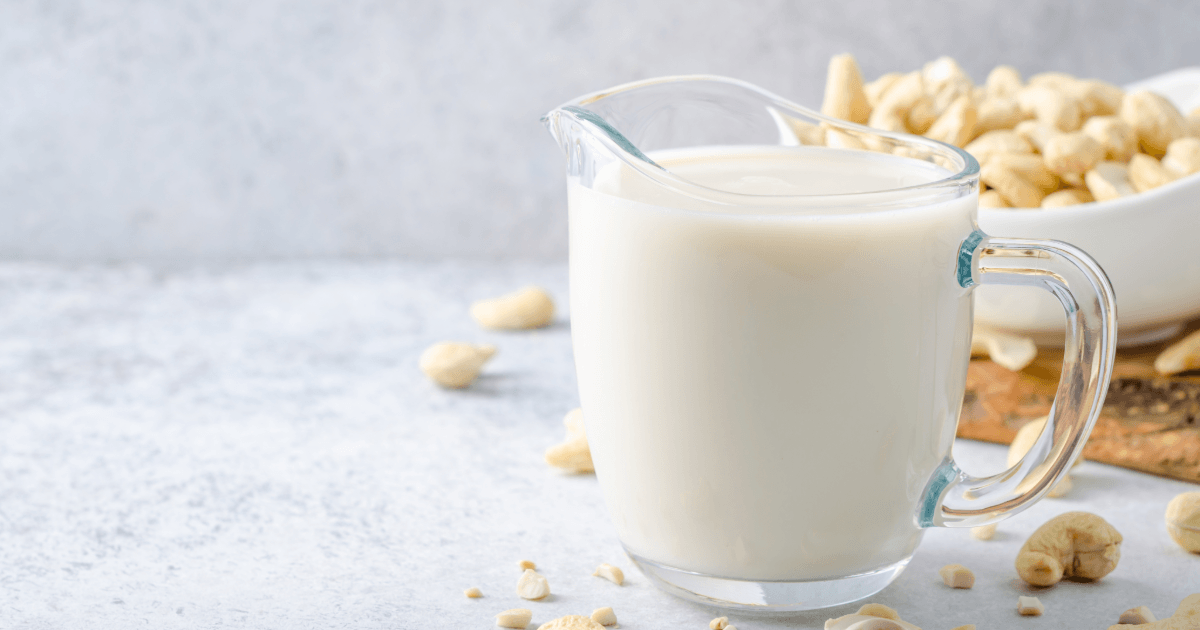
If you want the short chain running to your fridge, browse and order fresh cashew mylk at https://worrynut.id. Follow @worry.nut on Instagram. A one-liter bottle costs Rp 85,000, carries a handle, and lists six ingredients in plain English.