Where to Find Lactose-Free Milk in Bali
Where to Find Lactose-Free Milk in Bali
You land in Bali with a plan: beaches, yoga, a smoothie bowl or three. The first iced latte goes down like a dream. By day three your stomach is in open rebellion, and the holiday playlist runs on bathroom breaks. This is the classic expat arrival story, and most people blame the food. The culprit is often the milk.
The search for lactose-free milk in Bali starts the same way for everyone: standing in a supermarket aisle, squinting at Indonesian labels, wondering what is safe to pour. This guide covers the two honest routes, what each one asks of your wallet, and which one fits your week. We spent our first months in Bali hunting the same answers, and both routes below are the ones that work.
Why milk in Bali disagrees with so many adults
Lactose is the sugar that occurs naturally in milk. Digesting it takes an enzyme called lactase, and most human bodies stop producing lactase in large amounts after early childhood. The result shows up in the global data: roughly two-thirds of adults on the planet cannot digest lactose properly. In East Asian populations, the share runs from 70 to 100 percent, a range reported by MedlinePlus from a meta-analysis covering 62,910 participants.
Those numbers matter in Bali because the island is a crossroads. You share cafe tables, supermarket aisles, and cooking classes with visitors and residents from Japan, Korea, China, Indonesia, Australia, and Europe. The odds are high that someone at your table, maybe you, carries the same limitation. Bloating, cramps, and gas are not exotic complaints. They are the ordinary response of a gut that no longer makes enough lactase for the load.
Treat this as a food experience, not a diagnosis. We are not medical professionals, and a blog cannot tell you what is happening inside your body. If your symptoms are severe or sudden, a professional check comes before any milk experiment. If the pattern sounds familiar, our guide to the symptoms of lactose intolerance walks through what to watch for before you change anything.
Route one: lactose-free dairy, the enzyme trick
Lactose-free dairy is a clever workaround. Regular cow milk gets treated with the lactase enzyme, which breaks most of the lactose into glucose and galactose before it reaches your gut. The milk tastes close to normal dairy, because the sugar changed and the milk did not. For people who want that dairy flavor and tolerate everything else in cow milk, this route hits the spot.
The honest costs come with the label. Lactose-free dairy mostly travels from overseas into Indonesia, and the price reflects the journey. It runs noticeably higher than standard milk in Bali, and the chilled stock stays thin in most supermarkets. A few brands also carry a small residue of lactose, so the “free” label is a reduction, not always a full removal.
That last point decides the route for many people. Lactose-free dairy works when lactose is the only problem. If you avoid dairy protein too, or you prefer to cut dairy out altogether, enzyme-treated milk wins nothing. Plant milk sits closer to your goal.
Route two: plant milk, naturally free of lactose
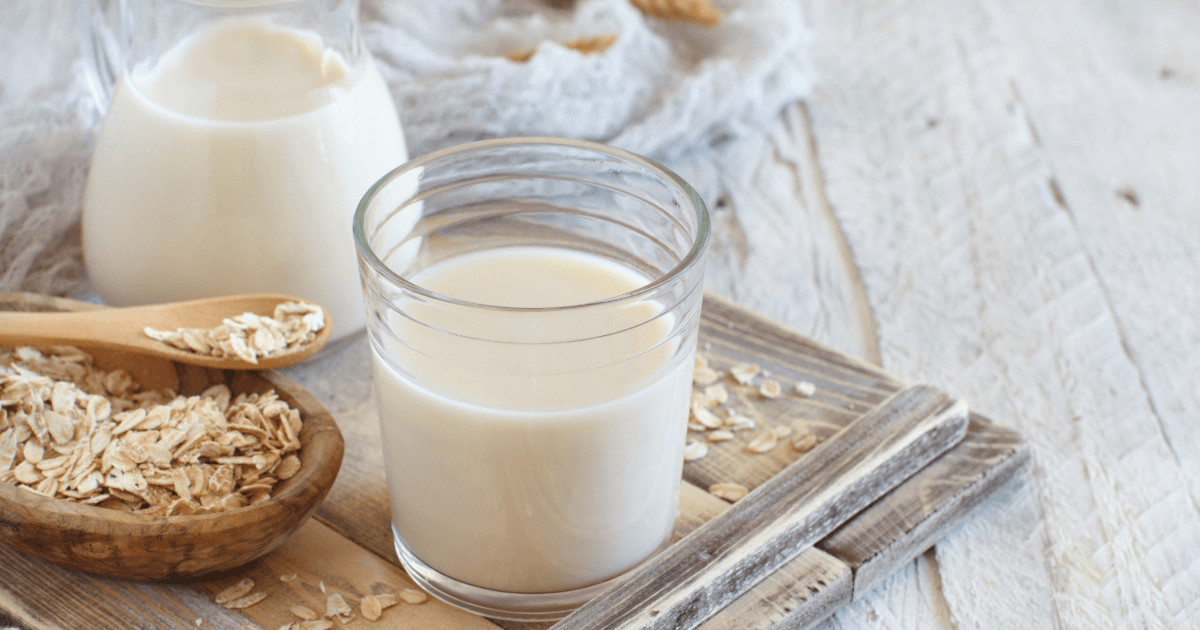
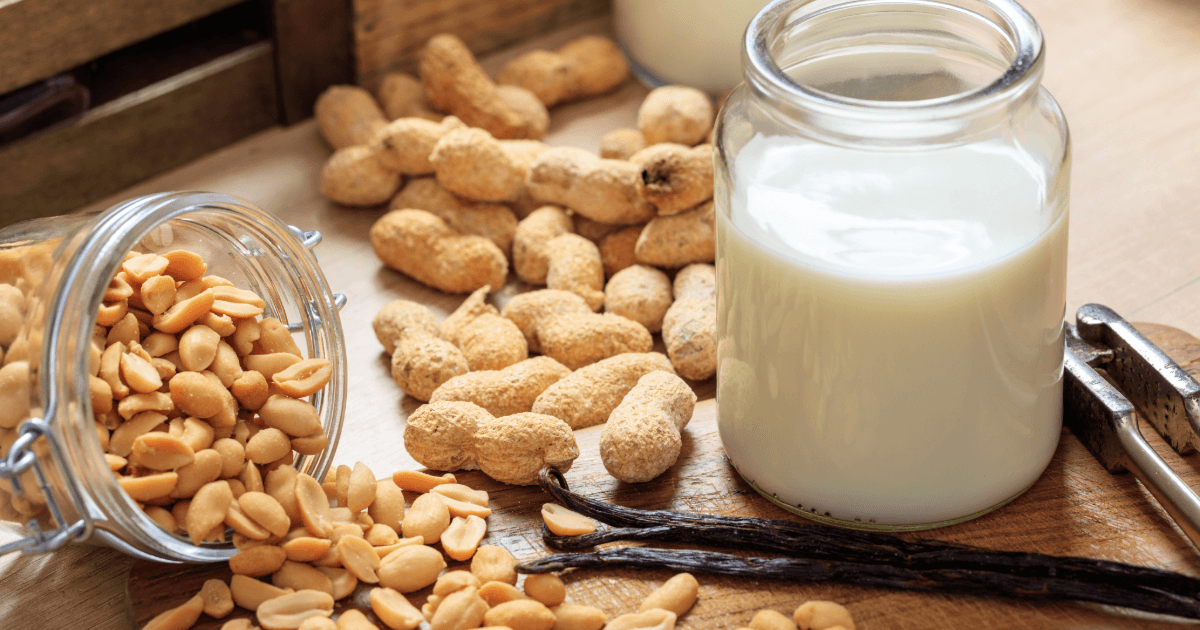
Lactose exists only in the milk of mammals. No plant produces it. Soy milk, almond milk, oat milk, and cashew milk are all lactose-free by construction, with no enzyme step and no label tricks required. That is the cleanest reason the plant route beats the enzyme route for most people.
Cashews make this easy. The nut is naturally creamy, so cashew milk builds its body from the nut itself, with no gums or thickeners needed. It lands creamier than almond milk and closer to dairy in texture, which means it holds up in coffee, cereal, smoothies, and cooking.
One honest footnote: plant milk is not dairy. Dairy carries more naturally occurring protein and calcium, while unsweetened plant milks run lower in calories and sugar. Choose them for what they offer, not for a perfect copy.
The label check matters more than the base nut. Many store-bought plant milks add gums, phosphates, refined seed oils, stabilizers, and vague “natural flavors”. Some people with sensitive stomachs react to the gums, which turns the innocent-looking carton into a gamble. The real question is not whether the milk comes from a plant. It is which plant milk, and what else rides in the carton. Most Indonesian shelves stock imported almond, oat, and soy brands with long ingredient lists.
Cashew is the local exception. Indonesia ranks around sixth among the world’s cashew producers, yet most cashew milk sold here still travels from abroad. We make Worry Nut fresh cashew mylk in Ubud to close that gap. The bottle carries six plain-English ingredients: filtered water, premium cashew, natural coconut sugar, Kusamba sea salt, sunflower lecithin, and real vanilla extract. Coconut sugar has a lower glycemic index than white sugar, and the finished mylk totals 2 grams of sugar per 200 ml serving.
Which route fits your week
Dairy flavor, and lactose as the only problem: lactose-free dairy works, and the import premium is the price of admission.
Dairy protein on the no list, or a dairy-free household: plant milk wins. It skips lactose by nature and skips the imported enzyme supply chain when you buy local.
Sensitive stomach on top of everything: read the ingredient list before the nutrition panel. Short lists, and the gums, seed oils, and stabilizers stay off the label. Some brands build for sensitive eaters on purpose, and those are the ones worth the shelf space.
Shopping for a family adds another layer. Kids react differently to milk than adults do, and the math is not the same, so our guide to lactose-free milk for kids in Indonesia covers that question separately.
Feeling spoiled for choice is normal. The head-to-head version of this argument lives in our comparison of the best milk for lactose intolerance, which stacks the options side by side.
FAQ: lactose-free milk in Bali
Is lactose intolerance common in Asia?
Very. Two-thirds of adults worldwide cannot digest lactose properly, and the rate in East Asian populations runs from 70 to 100 percent. Many people digest dairy fine as children, then lose tolerance gradually, which is why the switch can feel sudden and unrelated to anything you did.
What milk can you drink in Bali?
Two families cover you. Lactose-free dairy is enzyme-treated cow milk, imported and premium priced. Plant milk is soy, almond, oat, or cashew, and it is lactose-free without any processing trick. Local plant milk producers deliver fresh bottles that skip the import chain entirely. Your gut, your taste, and your budget pick between them.
Is plant milk lactose-free?
Yes. Lactose is a sugar found only in mammalian milk. Soy, almond, oat, and cashew milks contain none of it, with no additives required to get there.
Where do expats in Bali buy dairy-free milk?
Supermarkets stock imported plant milks and a small selection of lactose-free dairy. Local brands deliver too: we run next-day chilled delivery across the Ubud and Canggu area, so the bottle arrives cold and ready to drink. The cafe scene here runs plant-milk friendly, which makes ordering out easier than most places we have lived.
Does fresh plant milk taste different?
Noticeably. Fresh cashew mylk tastes like the nut itself, mellow and gentle, with the creamy body cashews build naturally. Shelf-stable cartons survive months on a pallet, but the journey costs them some of that character. If you have only tried long-life plant milk, the fresh version is a different drink.
Where Worry Nut fits in your lactose-free lineup
For us, the answer to where to find lactose-free milk in Bali is local. We make Worry Nut fresh cashew mylk in Ubud from Indonesian cashews, six plain-English ingredients, pasteurized instead of UHT, and refrigerated from our fridge to yours. It is dairy free and lactose free, with 80 kcal per 200 ml, and gums, oils, and preservatives stay out of the bottle. We built it for sensitive eaters, the people for whom a long label is a red flag, and the 21 day refrigerated life is part of the deal: fresh milk runs on a weekly rhythm, and that rhythm keeps the ingredients honest.
Bali hands you enough surprises without your morning coffee becoming one. The island grows world-class cashews, the plant route to lactose-free milk costs less trouble than the enzyme route, and a fresh local bottle beats an imported carton on every count that matters. Try it and judge with your own stomach.
Order Worry Nut fresh cashew mylk at https://worrynut.id, or follow @worry.nut on Instagram for stock updates and delivery days.