Oat vs Almond vs Cashew Milk: Which to Buy in Indonesia
Oat vs Almond vs Cashew Milk: Which to Buy in Indonesia
Three cartons sit side by side in the chilled aisle: oat, almond, and a fresh cashew bottle that costs more and needs a fridge for its whole short life. The rankings you read before moving to Indonesia do not prepare you for this shelf. They were written in markets where every option ships from a local factory, where the price gaps run small, and where availability means the same thing for all three. Indonesia flips the script. Two of these milks travel here in a container, and one of them can be made from nuts grown in this country. That difference reorders everything that follows.
Meet the three options
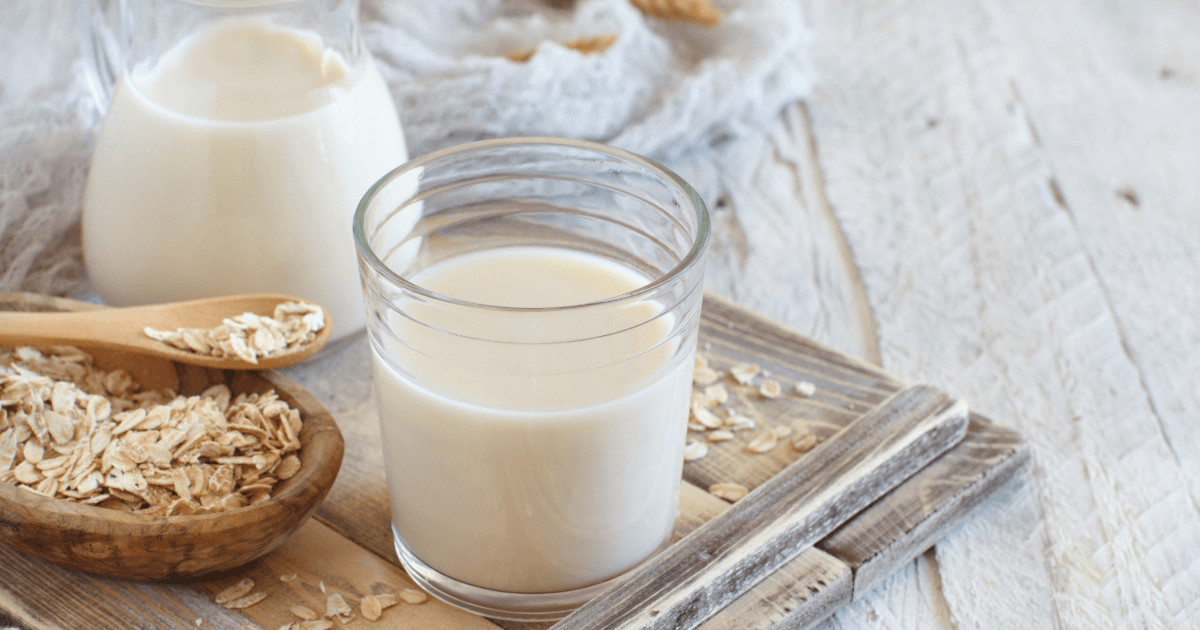
Oat milk starts as whole oats milled into water. Enzymes split the oat starch into smaller sugars, mostly maltose, which explains why unsweetened oat milk tastes faintly sweet before any sugar gets added. Barista editions add oil to stretch into microfoam, and the drink behaves like what it is: a grain in a glass, filling and slightly slick, with a malty note that flatters tea and cacao. Nearly every oat carton in Indonesia arrives imported, sealed in UHT packaging that survives months without a fridge.
Almond milk is ground almonds and water, a short recipe on paper. Commercial versions reach the shelf with help. Gums such as xanthan or gellan, stabilizers, and often refined seed oils and the catch-all phrase “natural flavors” show up on the panel. Almond milk runs thinner than the other two, so manufacturers lean on those helpers to build a mouthfeel the nut cannot deliver alone. Almonds grow mainly around the Mediterranean and in California, which means the nuts, the cartons, or both cross two oceans before they reach your refrigerator.
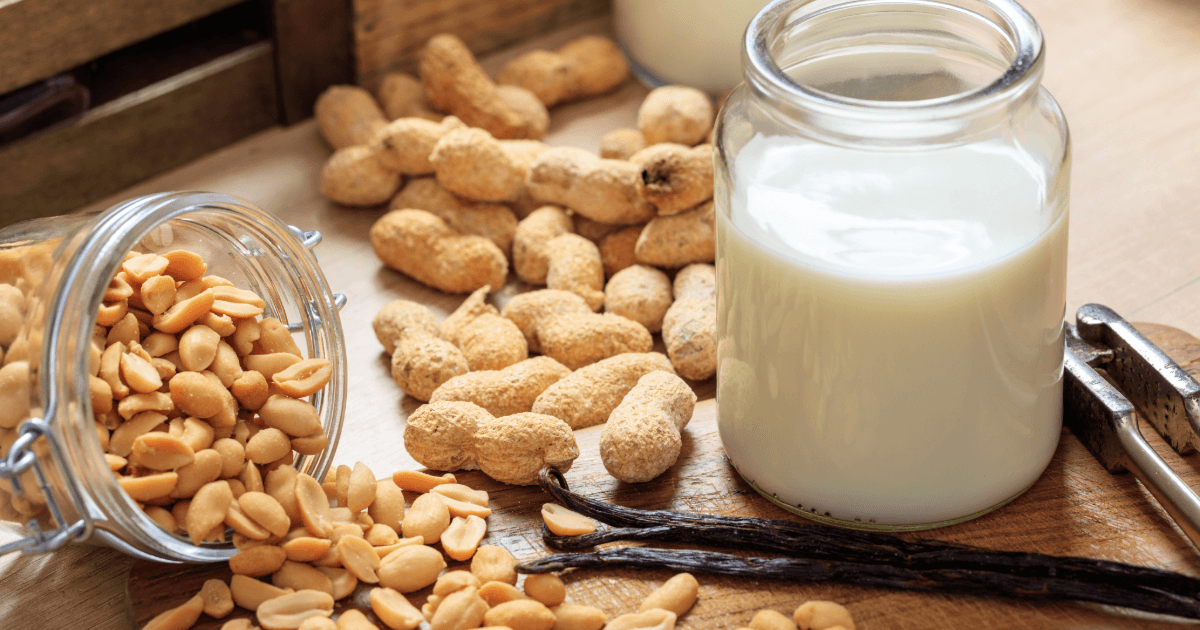
Cashew milk runs the shortest recipe of the three. Nuts meet water, and the fat inside the cashew does the thickening, so a clean cashew blend reaches a creamy body with no gums or starches involved. Indonesia happens to be one of the world’s top cashew producers, around sixth place with about 164,000 tonnes in 2023, grown mostly in Sulawesi and Nusa Tenggara. A local producer can press cashew mylk from nuts raised on Indonesian islands. That single fact quietly reshapes the debate.
Taste and texture
Texture settles more fridge arguments than any label. Oat milk steams beautifully. Barista editions hold microfoam, pour latte art, and tolerate espresso acidity better than most alternatives, which is why cafes adopted them so fast. Cold, in a glass, the story changes: oat body is starch body, lighter than dairy and a touch slick, closer to thinned porridge than to milk.
Almond milk drinks thin and watery. It works over cereal and in light smoothies, and it disappears in coffee, watering the cup down instead of enriching it. Nobody picks almond milk for body. People pick it for low calories and a quiet nutty flavor.
Cashew milk carries fat, and fat reads as richness on the palate. Cashew milk is creamier than almond milk and lands closer in texture to dairy, which is why it slides into coffee, cereal, smoothies, and cooking without negotiation. Pour all three over granola and the gap lands fast: cashew coats, oat pools, almond runs straight to the bottom of the bowl.
Heat widens the gap further. Cashew milk turns a pasta sauce glossy and holds its body in the pan. Starch-built oat formulas thin under sustained heat and turn unreliable when acid appears. Thin almond milk separates into watery and chalky phases in a hot pan. On Bali’s smoothie bowl circuit, cashew gives frozen blends a body that survives the freezer, where starch plus frozen fruit can drift toward glue.
Label and sugar
Turn the cartons around and read the panels before you taste. Store-bought plant milks rely on hired help: gums such as xanthan and gellan, phosphates, refined seed oils, stabilizers, and a broad “natural flavors” line. Oat leans on added oil for barista foam. Almond leans on gums for body. Cashew skips most of the kit because the nut performs its own thickening, which makes a short label achievable instead of heroic. People with sensitive stomachs flag the gums as repeat troublemakers across digestion forums, long before formal research catches up, and that deserves respect if your gut already gives you trouble.
Now look at sugar. Oat milk carries a structural carbohydrate load: the enzyme step that builds its body converts starch into maltose, so even unsweetened cartons run higher in carbs, and flavored lines stack cane sugar on top of that baseline. Almond milk often lands lowest in calories and sugar, and unsweetened versions push both toward zero, though the thin body is part of that trade. Cashew milk starts with a low carb floor because no starch conversion happens, and a clean producer can hold sugar to a small single digit. Our fresh cashew mylk tested at Prodia’s OHI lab at 80 kcal, 6 g total fat, 150 mg sodium, 5 g carbohydrate, 2 g sugar, and 2 g protein per 200 ml. We sweeten with coconut sugar, which sits lower on the glycemic index than white sugar but remains sugar, so we publish the two gram figure instead of a claim.
One note on the dairy comparison, because it surfaces in every aisle debate. Plant milks are not nutritionally identical to dairy: dairy holds more naturally occurring protein and calcium, while unsweetened plant milks run lower in calories and sugar. Both statements stay true, and which one matters depends on whether you are replacing a glass of milk or building a smoothie.
Price
Price in Indonesia follows logistics more than ingredients. Imported UHT cartons sell at volume prices, stacked in every minimarket, and the low sticker hides a shipping and warehouse history. Fresh local cashew mylk carries a premium, around Rp 85,000 per liter. The extra money buys real things: cashews grown in this country, gentle pasteurization instead of heat sterilization, and a 21 day refrigerated life instead of a year long shelf claim. The cheap carton and the premium bottle are paying for different supply chains, and the difference shows up in the taste.
Availability in Indonesia
This section is where most comparison guides go quiet, because most comparison guides are written in countries where all three milks come from down the road. In Indonesia the reality is blunt: most plant milk sold here, oat, almond, and soy included, arrives imported. That pushes producers toward UHT processing, because a carton must survive a long journey without a cold chain. UHT heats milk to 138 to 149 degrees Celsius, and research published in the Journal of Dairy Science measured about 32 percent vitamin C loss, 18 percent B12 loss, and 12 percent folic acid loss at processing, with further losses during months of room temperature storage. The carton that lasts a year carries that processing history. Fresh pasteurization treats milk far more gently, which is why fresh products taste closer to the source, and why they need refrigeration and a short shelf life.
Here sits the irony of this aisle. Indonesia grows cashews at scale, ranks around sixth among world producers, and still fills its shelves with imported almond and oat milk. Local fresh cashew mylk does exist, sold through health stores, cafes, and delivery routes in wellness hubs like Ubud. Its supply chain runs short: cashews from Sulawesi and Nusa Tenggara, pressing and bottling nearby, chilled bottles to your door. We run next day chilled delivery across the Ubud and Canggu area, so our bottles arrive cold and ready to drink. The imported carton crosses an ocean and waits in a warehouse; the local bottle travels from fridge to fridge. For a full map of who makes what locally, our guide to plant milk brands in Indonesia covers the market.
Who should pick which
Pick oat milk when foam and convenience lead. Latte art at home, a matcha habit, one big monthly shop, and a comfortable relationship with the grain’s carbohydrate load: oat covers these at the lowest cost per liter, and the malty note flatters tea and cacao. If your stomach handles oats well and you drink mostly hot coffee, the imported carton earns its place in your routine. Read the panel for added sugar anyway, because that sweet taste can come from cane sugar as much as from maltose.
Pick almond milk when you want the lightest drink and the lowest calorie count, and you keep it to cold uses. Over cereal, in a protein shake, or blended into fruit, the thin body matters less and the quiet nutty flavor carries the glass. Choose unsweetened, check for gums if your stomach is sensitive, and remember that almond milk will let you down in a creamy pasta or a hot coffee.
Pick cashew milk when texture, clean labels, and local sourcing lead. If you cook with plant milk, pour it over granola, or miss the mouthfeel of dairy, cashew is the closest of the three. If your stomach reacts to gums and stabilizers, cashew’s shorter label removes a variable. If you want your liter to support farmers in Sulawesi and Nusa Tenggara instead of a container shipping lane, the choice makes itself. Sensitive eaters, home cooks, and label readers end up in this column.
The verdict
None of the three wins everywhere, and any article that crowns a single champion is selling you a carton. In a European supermarket, the argument between fresh local oat, fresh local almond, and fresh local cashew is a fair three way fight. In Indonesia the fight is not fair, because two of the three arrive with a processing history bolted on for export, and one of them can be pressed down the road. Oat milk keeps the foam and convenience titles, and those are real wins. Almond milk keeps the lowest calorie profile for cold drinks. Cashew milk takes texture, label cleanliness, and the supply chain argument in one sweep, and for the uses that fill most fridges, the morning bowl, the evening pan, the after gym shake, that combination outweighs the price gap. Let your shelf, not a foreign ranking, make the call.
FAQ
Which plant milk tastes closest to dairy?
Cashew milk, by a clear margin. Its natural fat delivers the creamy body that oat and almond build with added oils and gums, which is why it lands closest to dairy in texture and works across coffee, cereal, smoothies, and cooking. For the roughly two thirds of adults who cannot digest lactose properly, this matters beyond preference: it is the closest plant-based stand-in for the milk they grew up with.
Which plant milk has the least sugar?
Among unsweetened versions, almond and cashew both run low, and plain almond often lands lowest in calories and total sugar. Oat milk carries structural maltose even with no added sugar. Our fresh cashew mylk totals 2 g of sugar per 200 ml with coconut sugar included, verified at Prodia’s OHI lab. Compare the per 100 ml rows at the shelf, because serving sizes drift between brands.
Why is cashew milk creamier?
Because cashews are naturally creamy, the milk they make needs no gums or thickeners for body. The nut does the work. Oat builds body from dissolved starch and barista lines add oil; almond needs gums to fake a texture the nut cannot deliver alone. Fat reads richer on the palate than starch or water.
Which plant milks are made in Indonesia?
A small but growing set. Most plant milk sold here is imported, with oat, almond, and soy arriving in containers. Domestic production concentrates in fresh cashew mylk, since Indonesia grows cashews at scale, mainly in Sulawesi and Nusa Tenggara, and Ubud’s wellness scene supports local producers. Worry Nut is one of them, pressing cashew mylk in Ubud from Indonesian cashews.
What should you pick for coffee?
It depends on the bean. Oat milk holds microfoam and shrugs off espresso acidity, which is why cafes pour it for latte art. Cashew milk also drinks well in coffee, and a fresh, creamy pour pairs nicely with robusta. We stay honest about one limit: our current recipe drops slightly sour against arabica, and our barista grade sits on the roadmap, so we leave the specialty coffee promises to oat for now. If coffee is a vehicle for milk, cashew wins on mouthfeel. If you live for the art in the cup, oat keeps the title. Our guide to the best plant milk for coffee in Bali walks through both.
Where Worry Nut fits
We press Worry Nut fresh cashew mylk in Ubud from Indonesian cashews, sweeten it with coconut sugar, pasteurize it instead of sterilizing it, and bottle it chilled. Six ingredients sit on the label in plain English: filtered water, cashew, coconut sugar, Kusamba sea salt, sunflower lecithin, and vanilla extract. Our nutrition numbers come from a Prodia OHI lab test, published rather than promised. If you want the two way version of this argument, our comparison of cashew milk vs oat milk goes deeper on that matchup.
Browse and order at worrynut.id, or follow @worry.nut on Instagram. The aisle will still hold all three cartons next week. The question is which one ends up in your fridge, and now you have the full picture to answer it.