Where to Buy Plant Milk in Bali (Supermarkets, Local Brands, Delivery)

Where to Buy Plant Milk in Bali (Supermarkets, Local Brands, Delivery)
The plane lands, the taxi drops you off, and the first Bali morning brings a coffee problem you did not pack for. The fridge at home holds your oat milk. This fridge holds a jar of honey you will never touch. You need plant milk for tomorrow’s cup, and the island has four ways to get it to you: the supermarket aisle, the health food store, the cafe menu, and delivery to your door. Each route fits a different person, and the right one depends on how fast you need the milk and how long you plan to stay.
For many people this is not a preference. Roughly two-thirds of adults cannot digest lactose properly, and in East Asian populations the share runs from 70 to 100 percent. Plant milk earns a permanent line on the grocery list. The Indonesian market splits into two tiers: imported cartons on the shelf and fresh local bottles in the cooler. The quickest route lands in one tier or the other, and knowing which tier you want saves the first week of guessing.
The supermarket route
The most reliable route runs through the big grocery chains. Pepito and Grand Lucky are the names you see again and again across the island’s main towns, and both carry plant milk as a standard category. The range leans heavily on almond, oat, and soy from international brands, almost all of it imported. These cartons sit unrefrigerated on the ambient shelves, because UHT processing lets them survive months outside the cold chain. Any tourist, expat, or long stay can walk in and leave with a carton in under ten minutes, no cold bag required.
That convenience has a cost you cannot taste but can read about. UHT processing runs between 138 and 149 degrees Celsius, and that heat measurably degrades heat-sensitive vitamins before the carton reaches you. A shelf-stable carton trades some of that away for a long life, and for a short trip that trade is the right one. Packed in a hotel room without a fridge, a UHT carton beats every other option in this article.
The supermarket quirk to watch is pricing. Imported stock carries freight, import layers, and retail margin, and the tag moves with promotions and shipments, so the same carton costs different amounts on different weeks. Compare per liter, and read the sugar line before you buy, because sweetened flavored milks hide most of their sugar behind a label that looks healthy. We laid out the full price picture in our breakdown of plant milk costs in Bali.
Health food stores and fresh local producers
Route two is the chilled section, and this is where Bali stops looking like the supermarket at home. Health-focused grocers like Bali Buda in Ubud carry a different range than the big chains, with local retail labels like Arummi sitting alongside small batch fresh producers such as Huma Bali, Manamylk, Remix Juice, Supalove, and Spencer’s. These are Indonesian brands pressing Indonesian ingredients, and their bottles live in the fridge, not on the ambient shelf.
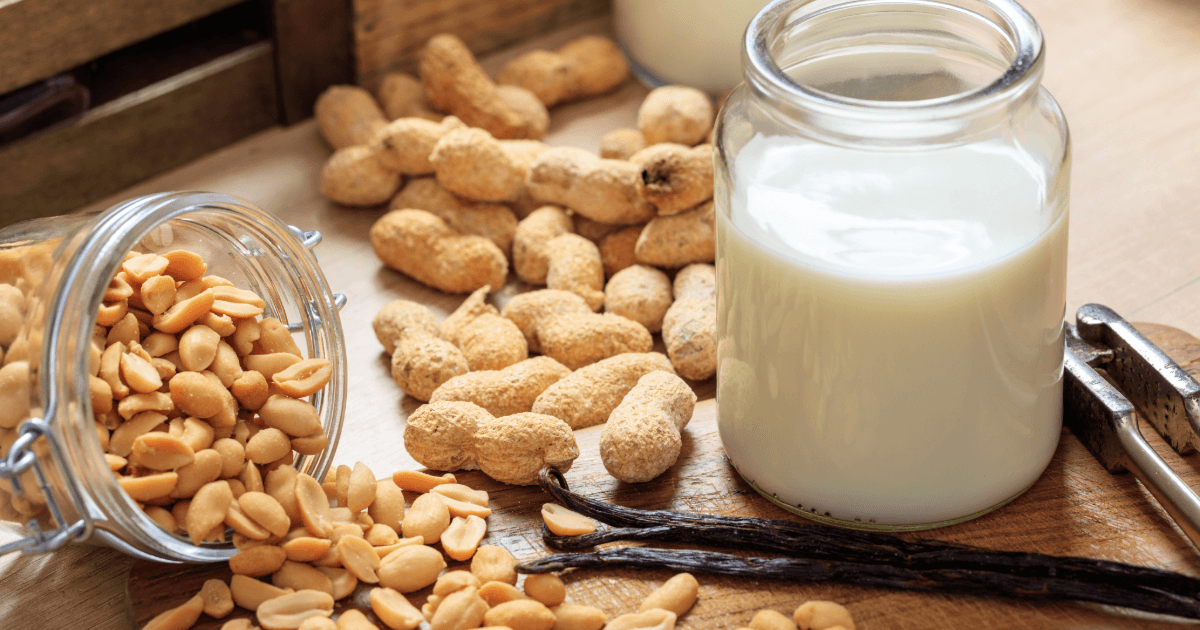
The difference is the cold chain. Fresh, pasteurized milk holds about 21 days before it starts losing its edge, and it has zero tolerance for time outside the fridge. In exchange you get a label you can finish reading in one breath. Fresh producers keep ingredient lists short, and the body comes from the nut itself: cashews are naturally creamy, which is why cashew milk needs no gums or thickeners for texture. Cashew mylk also sits closer to dairy than almond milk, which makes the switch painless in coffee, cereal, and cooking. Ubud runs on this kind of food culture, with yoga studios, plant-based cafes, and health-conscious residents keeping the demand alive.
The cafe route: drink it before you buy it
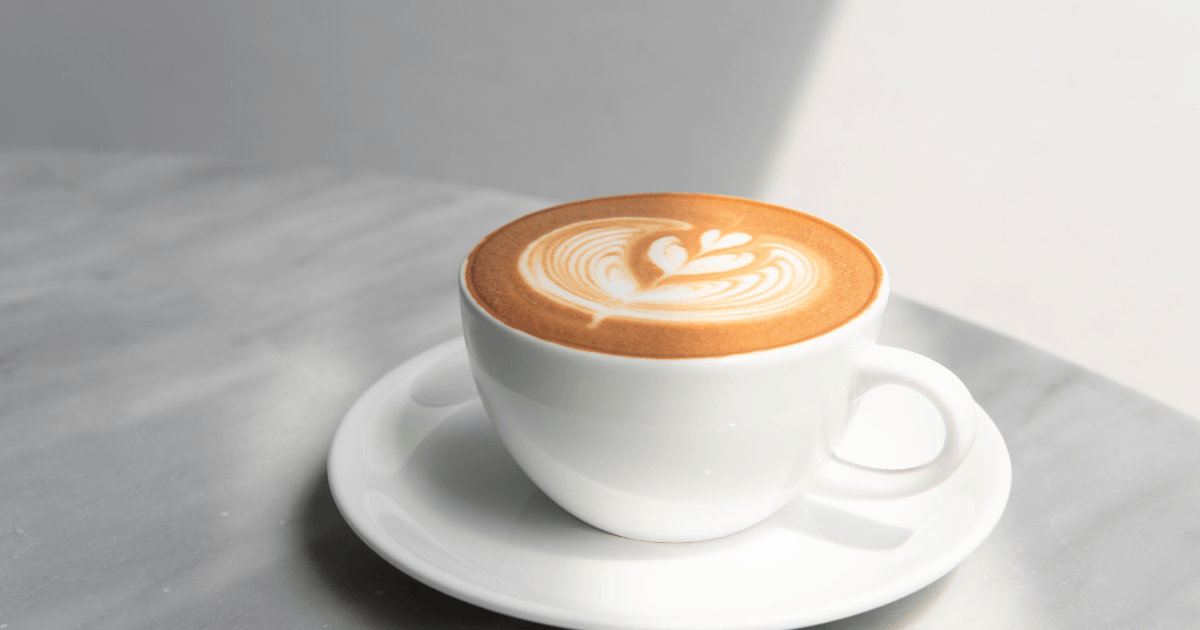
Route three costs nothing to test and tastes better than the aisle. Bali’s cafe scene is a working showroom for plant milk, and Ubud in particular stacks plant-based and wellness minded menus around town. Order the same coffee with oat, then almond, then cashew, and your preference will announce itself before you buy a single bottle. A milk that steams well and keeps the crema intact is a milk worth stocking at home, and cashew milk holds up in coffee precisely because it is creamier than almond and closer to dairy in texture.
The cafe route also names the players. Local producers like Huma Bali, Supalove, and Remix Juice show up on Bali menus, so the brand on the cup is usually a brand you can find later. Ask the barista which milk they pour and where they buy it. They know the delivery schedule better than any shelf does, and that one question turns a coffee stop into a shopping trip.
Delivery and stocking the fridge
Route four is the one we live in. Most local fresh producers deliver directly to their customers, and delivery is the only route that keeps a chilled bottle cold from the moment it is bottled to the moment it lands in your fridge. That matters, because a fresh bottle without the cold chain is a bottle with a countdown. Fresh milk lives inside its 21 day window and drinks best early in it.
The rhythm changes how you shop. A shelf-stable carton is bought monthly and forgotten in the pantry. A fresh bottle is bought weekly, kept cold, and poured inside its window. Weekly ordering beats the supermarket loop: place the order in the evening, and the bottle arrives the next day, cold and ready. If you drink milk daily, treat the delivery like bread, a standing order rather than a decision you make every week. Our expat guide to plant milk in Indonesia covers the wider market beyond Bali.
Questions we get about buying plant milk in Bali
Which supermarkets in Bali sell plant milk?
The large format chains, mostly Pepito and Grand Lucky, all carry plant milk, and the range runs heavily toward imported, shelf-stable cartons. Health food grocers like Bali Buda stock the local fresh bottles instead. No single brand is guaranteed on any given day, because imported stock rotates with shipments and promotions, but the category itself is never hard to find.
Is plant milk expensive in Bali?
Compared with home market prices, yes. Imported plant milk carries freight, import layers, and retail markup on top of the product itself, so the per liter price lands higher than most newcomers expect. The honest unit is rupiah per liter, not the tag on one small carton. We broke down the numbers, including what a fresh local bottle works out to per serving, in our cost guide.
Can tourists buy plant milk easily?
Yes, with one caveat about the fridge. A shelf-stable carton from a big supermarket works in a hotel room, and cafes across the island, especially in wellness hubs like Ubud, pour plant milk in their coffee. Fresh local bottles need refrigeration, which rules them out for most short stays. Long stay renters with a kitchen can shop like locals: order fresh, keep it cold, and drink it inside its 21 day window.
Does any local brand deliver?
Yes. Fresh producers across Bali deliver directly to their customers, and the retail names in the local scene stock stores across the island. In the Ubud and Canggu area, chilled next day delivery is an option. Most of these brands take orders through their own channels, so a quick conversation with the producer gets you on their delivery schedule.
Fresh local bottles or shelf-stable cartons, which should you buy?
Buy according to your rhythm, not your status. On a three day trip with no fridge, the shelf-stable carton is the rational pick. Settled into a rental with a kitchen, fresh local bottles serve better coffee and shorter labels, and they ask one thing in return: refrigeration and a weekly restock. Many people run both, a carton in the pantry for emergencies and fresh bottles in the fridge door. Plant milks are not nutritionally identical to dairy either way, so choose on taste, texture, and label, and let your stomach keep the final vote.
Where Worry Nut fits in your Bali fridge
Of all four routes, we built ours to be the fastest one. Worry Nut Fresh Cashew Mylk is pressed in Ubud from Indonesian cashews, and it reaches the Ubud and Canggu area with next day chilled delivery, cold from our fridge to yours. The bottle carries six plain English ingredients: filtered water, premium cashew, natural coconut sugar, natural Kusamba sea salt, cold pressed sunflower lecithin, and real vanilla extract. The nutrition is lab tested at 80 kcal, 6 g fat, 150 mg sodium, 5 g carbs, 2 g sugar, and 2 g protein per 200 ml serving, and a liter costs Rp 85,000.
Fresh milk asks you to drink it inside its 21 day window, and we think that is the point of drinking fresh. You buy weekly, you pour it while it is at its best, and you never wonder what the warehouse did to it. If the lactose question is live for you, our guide to lactose free milk in Bali walks through the switch.
Start with one bottle. Order at https://worrynut.id, or follow @worry.nut on Instagram to see what we are pouring this week.